Jordan Haddad, CUA PhD student in Systematic Theology, expands on JP2's claim that science and religion can flourish by drawing each other into a wider world.
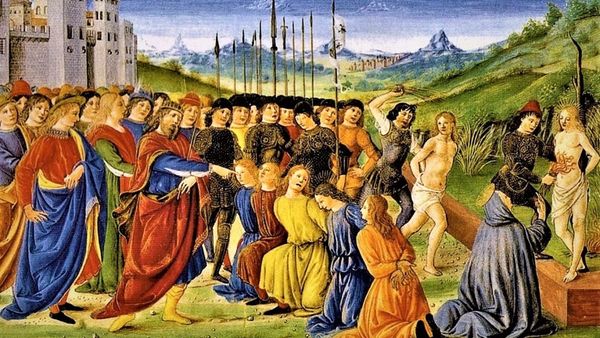
Stacy Trasancos, bestselling author on the topic of science and religion, looks at how contemporary scientific knowledge sheds light on the martyrdom of the Maccabees.
Christopher Baglow, Director of the McGrath Science & Religion Initiative, recalls early modern science's mistakes and explores how theology can move beyond them.
Chase Padusniak, Princeton University English Department PhD candidate, on the relative importance of speaking to science within the New Evangelization.
Sofia Carozza, ND senior majoring in Neuroscience & Theology, examines claims about neuroscience constituting a second scientific revolution open to theology.
Jonathan Heaps, theologian and recent convert to Catholicism, struggles to understand what Pope Francis is trying to say in his letter on the abuse crisis.
Charles Camosy, Fordham Associate Professor of Christian Ethics, discusses the presuppositions of the pro-life movement in light of Church teaching and history.
Scott Beauchamp, writer and author of the forthcoming "Did You Kill Anyone?," introduces the vaporwave aesthetic as a compliment to Simone Weil's mysticism.
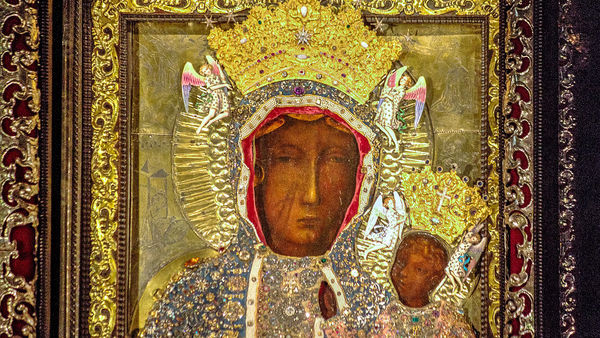
John Sikorski, PhD candidate in moral theology at the University of Notre Dame, ponders the Black Madonna's mysterious history, meaning, and significance.
Brandon R. Peterson, University of Utah Department of Philosophy Lecturer, takes a wide historical and doctrinal look at Benedict XVI's "hermeneutic of reform."
John Knox, Liberty University Associate Professor of Sociology, reviews Jerry Coyne's Faith vs. Fact and finds it to be at times an almost reliable guide.
Balázs Mezei, Philosophy Professor at Pázmány Péter Catholic University, analyzes the troubled fate of technology and spirituality in the wake of 20th century barbarisms.