Timothy P. O’Malley, Director of the ND Center for Liturgy, read's Benedict XVI conception of God as interrupting history rather than escaping into eternity.
Daniel Kuebler, Franciscan U. (Steubenville) Dean of the School of Natural & Applied Sciences, shows why there is much more to science than facts & math.
Cyril O'Regan, ND Huisking Chair in Theology, starts with a look at a Nietzschean bon mot and ends up contemplating the vision of God with Nicholas of Cusa.
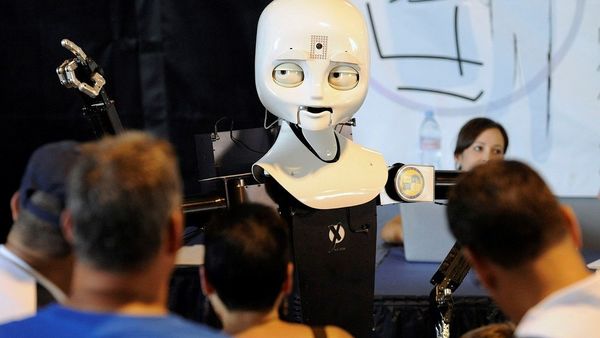
Fr. Ezra Sullivan, professor of Moral Theology & Bioethics at the Angelicum (Rome), details the human conditions that artificial intelligence will never meet.
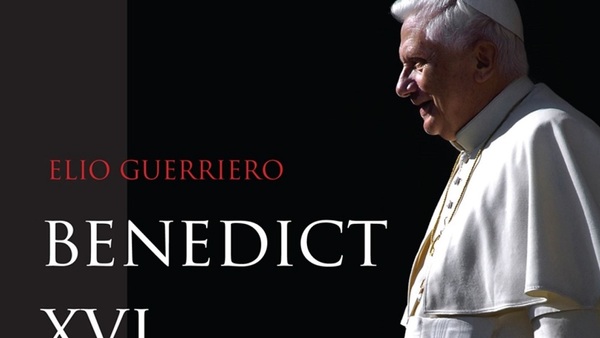
Elio Guerriero, biographer of the Pope Emeritus and Hans Urs von Balthasar, speaks about the impact and origins of Ratzinger's Introduction to Christianity.
Chase Padusniak, Princeton English Department PhD candidate, reads Ratzinger's Introduction to Christianity as a unique political theology by exploring his sources.
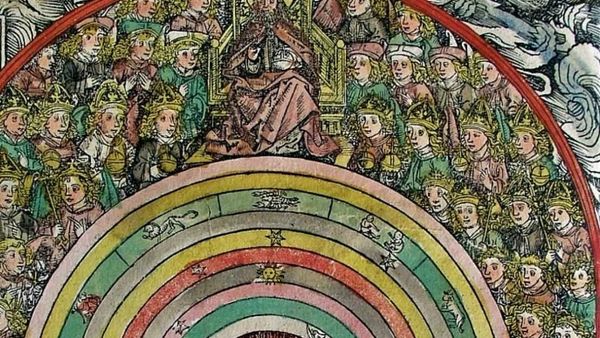
Kyle Greenwood, Associated Faculty at Denver Seminary, navigates the three major shifts in cosmology that required major shifts in theological interpretation.
Kristin Collier, University of Michigan Medical School Assistant Professor, discusses the Program on Health, Spirituality and Religion she founded and runs.
John Cavadini, Director of the ND McGrath Institute for Church Life, proposes remedies to the abuse scandal from within the heart of Catholic theology.
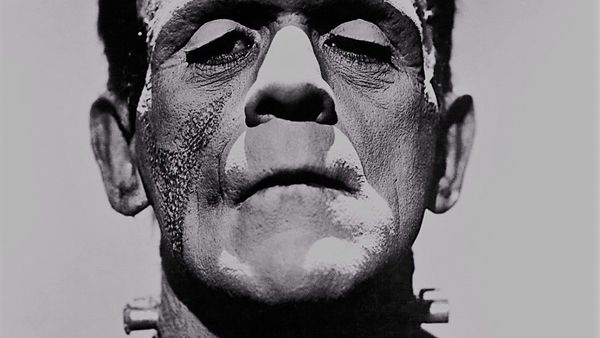
Ben Parks, SLU PhD student in Theology and Bioethics, compares the creation of Dr. Frankenstein's monster to ancient myths of creating order from chaos.
Jordan Haddad, CUA PhD student in Systematic Theology, expands on JP2's claim that science and religion can flourish by drawing each other into a wider world.